Four Cheese Pasta is a real treat for the palate: warm and creamy, it will make your taste buds go wild! At first glance, it might seem like an American recipe, but in reality, cheese pasta has Italian origins documented by various historical records.
Among the offerings of Toscanità Instant is a cup dedicated to this recipe: the instant pasta cup with four cheeses, a real delight for the palate!
In this article, we will reveal the traditional recipe for Four Cheese Pasta, but first, let’s go over the key points of its history.
Cheese Pasta: A journey through lands and seas
Origins of the “Four Cheese Pasta” Recipe
In ancient history, nothing is completely certain, but regarding pasta and its variants, we have some evidence of “primitive forms” of pasta.
The earliest traces of cheese pasta date back to the Etruscan era. Bronze graters have been found that suggest pasta was seasoned with cheese. We know that the Etruscans made their fresh pasta – lagana – in the oven along with its seasoning.
The first official testimony comes from the “Liber de coquina”, one of the oldest medieval cookbooks by an anonymous writer from the 14th century. The first dish described in this cookbook resembled our lasagna: thin layers of small square pasta sheets covered with grated cheese.
Shortly after, the cheese pasta recipe changed: pasta shaped like tortelli boiled in salted water and seasoned with grated cheese.
It was in the Middle Ages that dried pasta was born, made from the same fresh pasta previously used. In this case, however, it was left to dry in the sun and then cooked in boiling water, broth, or milk.
Another testimony comes from Giovanni Boccaccio’s “Decameron”, specifically in the third novella of the eighth day. In this novella, the Land of Bengodi is described, where people made macaroni on a mountain of grated cheese. The story suggests that the pasta was seasoned with the cheese from the mountain.
Also in the Medieval period, cheese pasta was considered a gourmet dish – as we would define it today – exclusive to pirate ship captains. This dish was composed of easily transportable and non-perishable ingredients during the long navigation period: dried pasta and aged cheese.
For cooking the pasta, a part of fresh water and a part of seawater were used. After heating the water and preparing the pasta, grated aged cheese and pepper were added.
This pasta left from the Sicilian ports and arrived at the ports of the Neapolitan coast. Here it was easy to find cheese to season the pasta, particularly cacio.
From Naples, cheese pasta reached Rome, becoming the favorite recipe of the coal miners of Amatrice. A few years later, it also arrived in Genoa, where merchants began to commercialize it in all the kingdoms of Italy.
From Italy to America and back
From this simple recipe, more substantial and elaborate variants were born abroad, using other types of cheese such as Cheddar, Gruyere, Gouda, or Havarti.
The most famous example is the American “mac’n’cheese”, which arrived in the United States thanks to English colonists.
The first recipe for macaroni and cheese is found in the 1769 book “The Experienced English Housekeeper” by Elizabeth Raffald. Her recipe consisted of preparing macaroni with a Cheddar cheese béchamel, finally seasoned with grated cheese.
The fame of the dish in the United States is particularly due to President Thomas Jefferson, who, after tasting a dish of cheese pasta during a stay in Paris, decided to export the recipe to America. Today, macaroni and cheese are prepared as a side dish to barbecue dishes.
Between legends and truths, history has led us to this point, demonstrating how a seemingly simple recipe hides an intricate and fascinating story.
The Instant Cheesy Pasta by Toscanità
The story of Toscanità Instant’s cheese cup comes from the idea of creating a product that could enclose the essence and quality of Italian cuisine with the convenience of a quick and easy meal.
From this desire, the tradition of the mother company, which has been producing fresh pasta Made in Italy since 1979, joins modernity to create the 8 variants of Instant Pasta.
But without further ado, let’s discover the recipe!
The recipe for Cheesy Pasta from the pot to the cup
Preparing good four cheese pasta is not as simple as it seems. To get the perfect recipe, the right ingredients and timing are necessary. Not following the rules could result in sticky or soupy pasta! The recipe requires some steps to be followed to the letter.
The first step is to bring the water to a boil. While waiting for the water to reach the right temperature, prepare the cheese cream.
First, melt some butter in a pan, being careful not to burn it. Then cut the mozzarella, Gruyere, fontina, and Parmesan into cubes and add them to the melted butter.
Mix all the cheeses well and then add the cooking cream. Let everything cook over low heat for a few minutes.
TIPS
Some versions of cheese pasta replace cream with béchamel sauce. Use the one you prefer!
Meanwhile, cook the pasta, also adding a little salt. For perfectly cooked pasta, it is necessary to follow the time indicated on its package.
When the pasta is cooked, drain and add it to the cheese sauce. Plate and finish by sprinkling some grated Parmesan on top.
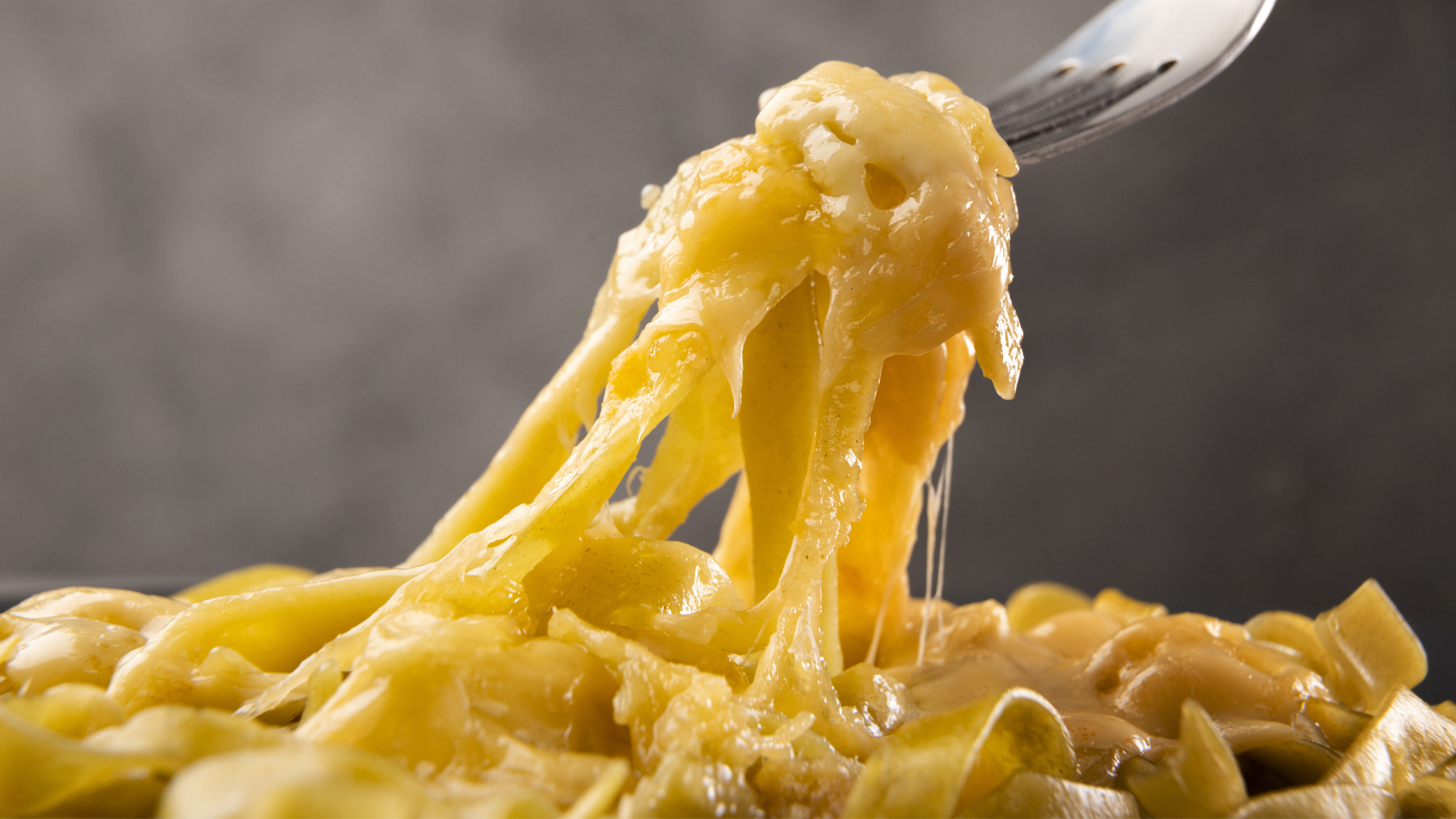
And here is our four-cheese pasta ready to be enjoyed!
The recipe thus requires a certain amount of ingredients difficult to find in some countries and attention in preparing the cheese cream: otherwise, the sauce may dry out too much and everything may burn.
If it all seems too complicated, don’t worry!
With Toscanità Instant’s cups, you can prepare a delicious cheese pasta dish without any hassle: you only need 180ml of hot water and 3 minutes of patience.
No searching, pots, or pans! Just a microwave or a thermos if you are away from home.
Wherever you are, our cups represent the perfect solution for a healthy, quick, and tasty meal. Don’t give up on your cheese pasta!
Discover all the flavors in our shop and stay updated with our social channels!